
Strength and Courage Award
This past May we spoke with Jasmine McElveen ’26, our 2026 Strength and Courage award winner. Jasmine was recognized for her deep commitment to the ASIJ community, her leadership, her dedication to creating a more welcoming environment for all of ASIJ, and her refusal to accept silence in the face of bias. Choosing courage over comfort, she has used her voice to foster greater understanding, accountability, and belonging within the ASIJ community.
Jasmine was one of the founding members of ASIJ’s Black Student Union, a leader with ASIJ’s Student Ambassadors, and an advocate on campus. In those roles, she has helped create spaces where community members feel seen and heard while expanding opportunities for her peers and teachers to learn from and engage deeply with diverse perspectives and experiences. She consistently approaches difficult conversations with empathy and courage. As Jasmine put it, “you have to just be true to your experiences and you can't really censor important things.” The ASIJ community as a whole has benefitted from her commitment to mutual understanding and respect.
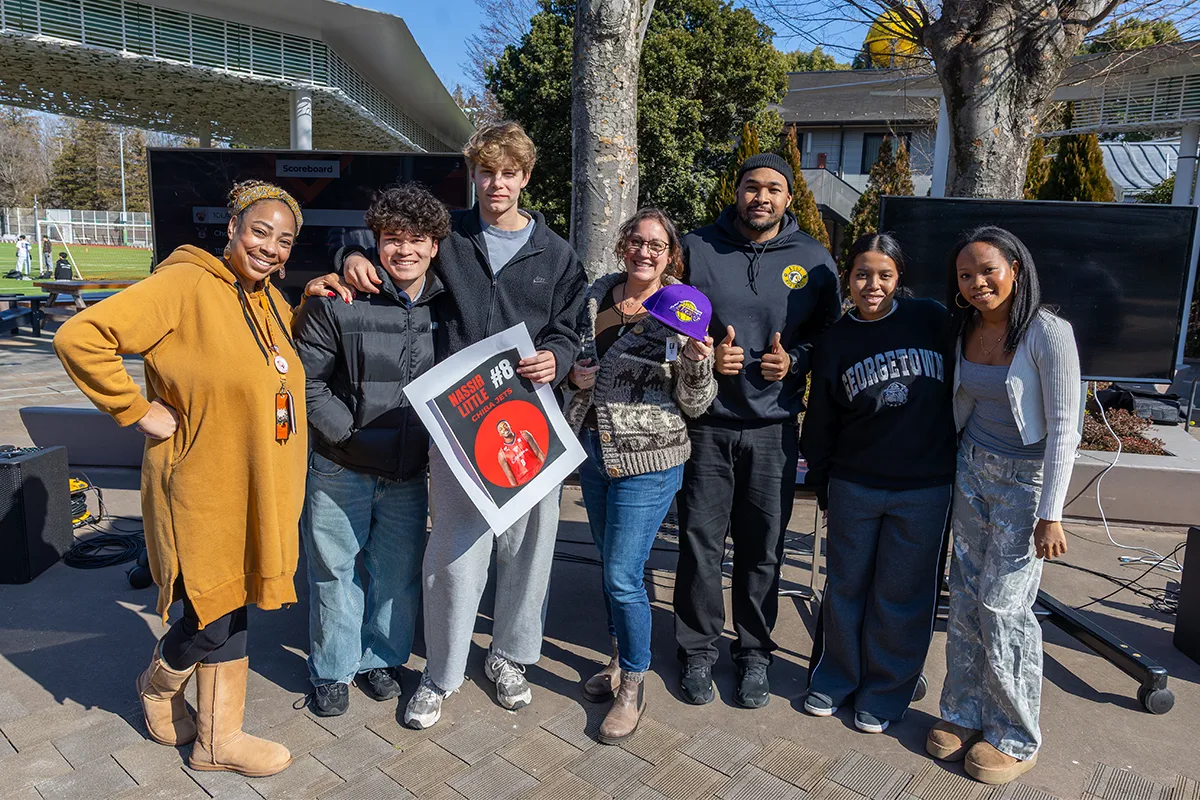
Students are nominated for the Strength and Courage Award by faculty, counselors, administrators, and their peers. These candidates are then invited to submit a personal statement and letter of recommendation describing the ways in which strength and courage played a role in their lives, and in a project or initiative they led. Submissions are reviewed by the Safeguarding Advisory Committee composed of students, counselors, administrators, parents, and members of the Board of Directors, and the committee also interviews the nominees.
When asked what strength and courage meant to her, Jasmine focused on “the idea of inclusion.” Though BSUs remain relatively uncommon in international schools, Jasmine and the co-founders of ASIJ’s BSU felt strongly about creating a space for students to explore identity work, whether they themselves identify as Black or not. “Speaking up, no matter the consequence” is crucial to creating a more inclusive environment, emphasizes Jasmine.
It can be difficult to introduce conversations about race and racism, as, Jasmine notes, “people don’t want to break out from what’s considered ‘normal’...people know that if they speak up, there’s a consequence to it. Maybe they get kind of ostracized or maybe there is no result in them speaking out and just the social pressure of it all—everyone kind of wants to seem the same so that they don’t necessarily stick out.”
Jasmine doesn’t let that social pressure get in the way of being a voice on campus. She believes that, “ignoring things, being complicit, are two really harmful things.” Jasmine consistently encourages people to use their voice to speak about their own experiences and listen to others. She encourages the community to uplift diversity of thought and address issues head on.
And Jasmine has done just that, leading the ASIJ community to engage with these conversations through multiple avenues. Last year, Clint Smith, an American writer, poet and scholar, and author of the New York Times bestseller, How the Word is Passed, was welcomed to campus through the efforts of Jasmine and BSU, the South Asian Student Union (SASU) and the Japan Seminar classes. Clint’s visit led to a discussion and panel where Jasmine shared more about her own experiences, and “asked important questions that people were maybe afraid to ask or didn't know how to engage in.” This communication and education is key to building understanding and compassion.
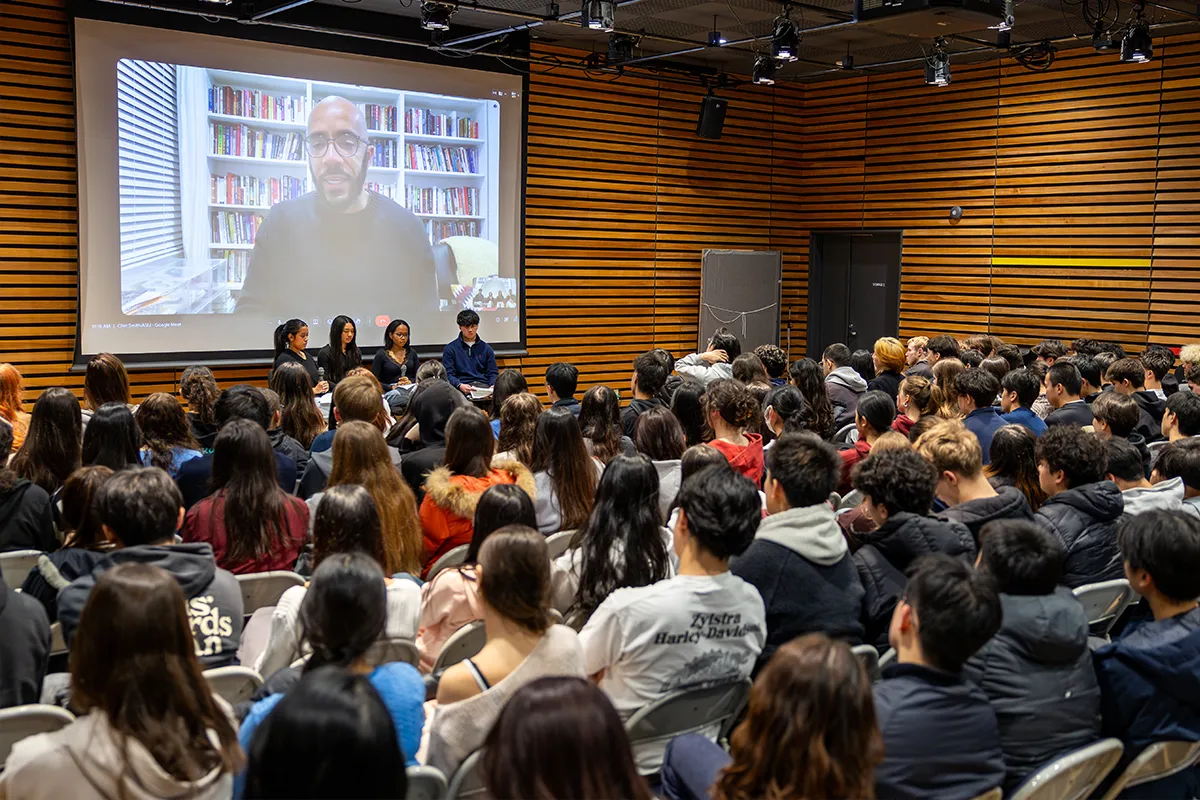
She believes that education is the ultimate way to bridge the gap, that learning about diverse cultures and experiences helps people gain compassion and knowledge about harmful rhetoric, stereotypes, and ideas. “The main thing with education is that it can be really scary or daunting for people who aren't exposed to Black individuals or Black culture in general. And I think that's kind of the main thing. I've been trying to highlight just that awareness itself.”
Continuing the efforts of communication and awareness, Jasmine drafted, pitched, and led a high school assembly and advisory session centered around stereotypes and assumptions and the harm that can cause in the community. She collected real experiences from Black community members and shared them, anonymously, with their peers, and shared her own experience, too. Taking that opportunity to speak out took a lot of courage from Jasmine, but “I couldn't really engage with the community if I wasn't speaking up,” she noted.
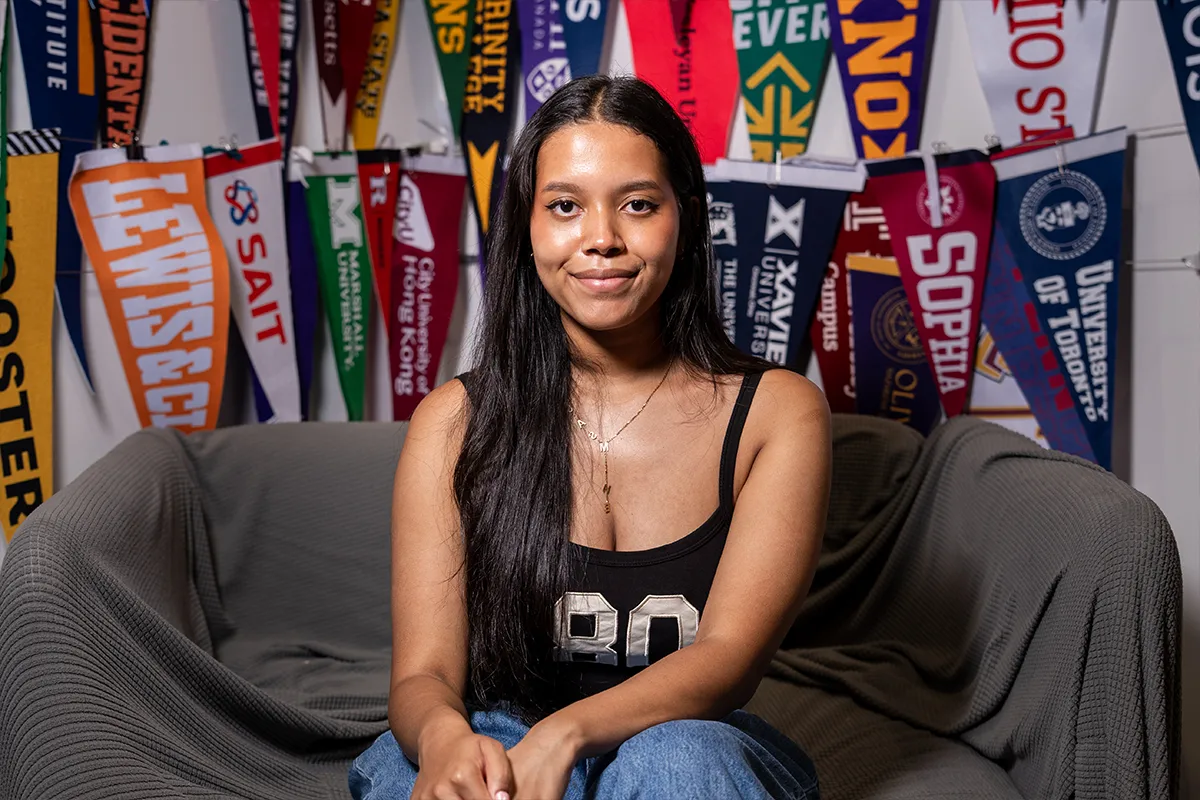
Jasmine describes herself as a silent leader, someone who tends to be more introverted, and she was often unsure about how her work might be perceived by her peers. Being a spokesperson for the Black Student Union took strength and courage for Jasmine, as she felt, “I'm representing not only myself, but also the very few Black students and Black faculty on campus.” Following the assembly and advisory, she received a lot of gratitude, which helped reinforce the importance of these efforts. Being able to create spaces where people can connect with others having similar experiences has made all the difference on campus because students are able to speak up together.
In addition to BSU, Jasmine was a leader of the Student Ambassadors. She pointed to the club’s New Student Orientation as “a really good example of including people, especially new students and people who don't necessarily fit in automatically into our school.” The Student Ambassadors intentionally bring students together in one-on-one and group settings to create experiences where every member finds connection.
Meagan Frazier, high school English teacher and BSU’s faculty advisor, underscored the importance of Jasmine’s efforts for people her age and older: “I am inspired by [Jasmine] in so many ways because what she is doing as a teenager is work that adults are still struggling to articulate— how to be an activist and how to be an ally. She has done so much of the inner work that is required of someone in the activist community. She has really spent time reflecting on herself, her own identity and her place in the world, and the type of world that she wants to inhabit.”
More ASIJ Stories
Life at school is full of stories and the narrative of where our vision will take us is told each day through the learning our students experience in the classroom and beyond.


